 +971 50 5473745


How to Build a Website That Looks Like Your Brand
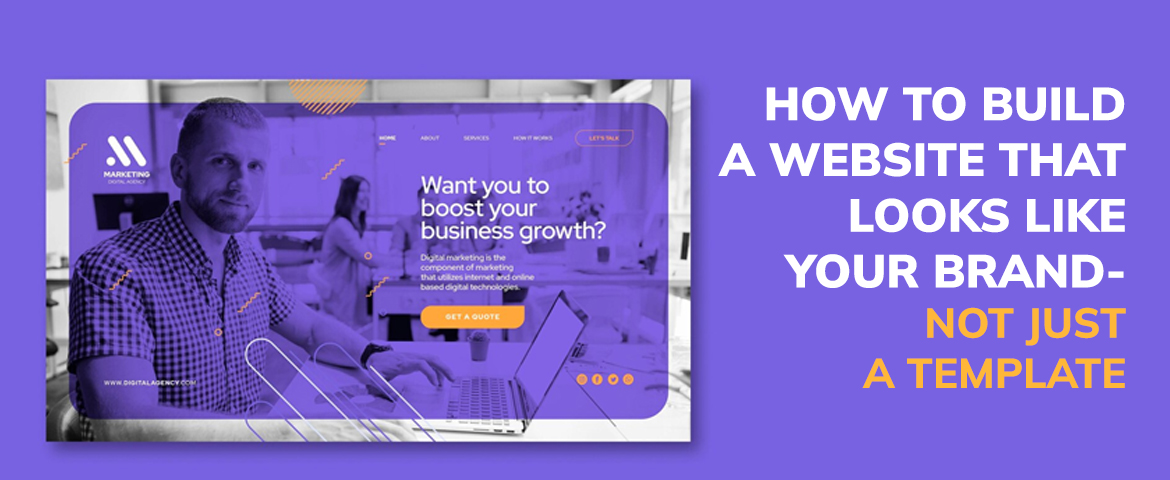
In today’s digital world a website is more than just an online placeholder — it’s the heart of your brand. Yet so many businesses settle for off the shelf templates that don’t reflect who they really are. The result? Generic sites that blend in, miss the mark with customers and fail to capture what makes a brand unique.
If you’re building or redesigning your website this guide will help you create a digital presence that looks, feels and functions like your brand — not just a template.
Why “Template Thinking” Is Holding You Back
Templates are everywhere — they’re fast, cheap and convenient. But they’re also limiting. When every brand in your industry is using the same design with different colours and fonts, what sets you apart?
Here’s what template-first websites usually lack:
- Brand personality and tone
- Cohesive visual identity
- Tailored user experience
- Strategic storytelling
- Emotional connection
Templates are designed to be one size fits all and that’s exactly the problem. Your brand is not like everyone else’s — and your website shouldn’t be either.
Tips to Ensure Your Website Looks Like Your Brand
Step 1: Define Your Brand Before You Design
Before you even touch a wireframe or mockup, you need to get super clear on your brand. Your website is just a reflection of who you are — so start with these branding basics:
1. Your Brand Purpose & Promise
- What do you do?
- Who do you do it for?
- What’s the promise you make to your customers?
Your website should answer these questions in every visual and piece of content.
2. Your Brand Voice
Is your brand fun and casual? Bold and daring? Sophisticated and professional? Your tone should be consistent throughout your website — from your homepage headlines to your microcopy on buttons.
3. Your Visual Identity
This includes:
- Logo
- Color palette
- Typography
- Iconography
- Photography style
When these are all defined and applied across your website, it’s a total win.
Step 2: Brand-Driven Design Strategy
Now that you have your brand, let’s turn that into a design strategy.
1. Ditch the Templates, Go Custom
Custom web design starts with a blank slate. Your layout, sections, animations and features are built around your brand — not forced into a pre-made grid. This means:
- Brand storytelling in your own structure
- Unique hero sections, CTAs and interactions
- Freedom to create something truly different
2. Use Your Brand Colors Wisely
Color is one of the most powerful branding tools. Use yours wisely to:
- Create emotional impact
- Guide the user’s eye
- Reinforce brand recognition
Stick to your primary and secondary color scheme throughout the site — no more random color blocks that don’t match your brand guidelines.
Step 3: Custom Imagery and Visual Storytelling
Stock photos and random graphics won’t cut it anymore. Users are smart — they can tell when a site is generic.
1. Invest in Custom Photography
A custom photoshoot for your business will give you:
- On-brand images that match your color and tone
- Real shots of your team, office or products
- Consistency across your site, social media and marketing
2. Brand Aligned Icons and Illustrations
If your brand is playful or modern, consider custom illustrations that bring your pages to life. For more corporate brands, simple, minimal icons can still be customised to match your palette and style.
3. Use Video Wisely
Short brand videos or background loops can instantly lift your site — just make sure they’re optimised and actually add value to the story.
Step 4: Branded User Experience (UX)
A good UX isn’t just about navigation — it’s about how users feel when they interact with your website.
1. Guide the Journey
Think of your site like a tour of your brand:
- What’s the first thing people should see?
- Where should they go next?
- How should they feel along the way?
A well thought out flow keeps users engaged and builds trust.
2. Consistent Button and Link Styles
Your CTAs (calls-to-action) are key. Make sure buttons:
- Are brand colours
- Have the same shape and hover effects
- Match your brand tone (e.g. “Let’s Talk” vs “Contact Us”)
3. Mobile-First Branding
On mobile your brand should still shine. Make sure your logo, type and colours adapt beautifully — not just functionally — to smaller screens.
Step 5: Build with Scalable Brand Architecture
A beautiful brand-first website should also be built to grow.
1. Flexible CMS
Whether it’s WordPress, Webflow or a custom CMS, make sure your system allows for:
- Content updates without breaking the layout
- Adding new branded sections, landing pages or blogs
- Version control and media library management
2. Modular Design Components
Reusable blocks (testimonial sliders, service highlights etc) should be designed in your brand style. That way as your site evolves it stays looking cohesive.
3. SEO + Speed Optimisation
A brand that looks beautiful but loads slow or ranks poorly won’t serve you well. Make sure your custom build is optimised for:
- Page speed (mobile)
- Image compression
- Metadata and schema
- Accessibility (ADA compliance)
Step 6: Match Copy to Your Brand Voice
Even the most beautiful website can fail with boring, mismatched copy. Your words are just as much your brand as your logo.
1. Create a Messaging Framework
This includes:
- Tagline
- Value proposition
- Elevator pitch
- Unique selling points
These should be visible and repeated throughout the site in different ways.
2. Match Voice to Visuals
A playful design should have a playful copy. A high-end, minimal design should have elegant copy. Make sure your visuals and text match.
3. Microcopy Matters
Every word counts — including the small stuff:
- Button text
- Error messages
- Form field instructions
This is where you inject your brand personality in small but mighty ways.
Step 7: Launch and Evolve with Brand in Mind
A great branded website isn’t a one-and-done project. It’s a living breathing thing.
1. Get Feedback Post Launch
Ask real users:
- Does the site look like you expected the brand to?
- Was the experience smooth and enjoyable?
- What would they change?
Use the feedback to tweak and improve over time.
2. Update Content Regularly
New blog posts, team updates, offers and testimonials keep the site fresh and alive — just make sure they fit the brand.
3. Use Analytics to Stay On Brand
If users are bouncing or not converting, check if there’s a gap between what the site promises and how it presents the brand. The answer is usually in better alignment.
Common Mistakes That Make Your Website Look Generic
Even with the best intentions, many businesses end up with a website that feels “off-brand”. Watch out for:
- Using stock templates without any customization beyond colours and fonts
- Not having a brand strategy before designing and laying out your site
- Inconsistent visuals like mixing illustration styles, photo tones or typefaces
- Forgetting mobile where many will interact first
- Disjointed messaging that doesn’t sound like you or speak to your audience
- Slow performance that kills engagement and trust
- Unclear calls-to-action that don’t match your tone or guide the user journey
Avoid these and you’ll have a site that truly is you.
Conclusion: Your Website Should Be a Living Expression of Your Brand
Your brand is more than just a logo or tagline — it’s the whole emotional and visual experience people have of your business. And your website? It’s the number one place where that brand comes to life.
Choosing a generic template might seem like a shortcut but it rarely reflects the heart of your business. It’s the digital equivalent of wearing someone else’s clothes to your own party. When you design from your brand foundation everything changes. You attract better clients. You build trust faster. You create an experience people remember.
The brands that stand out in 2025 are the ones that feel different — from the moment the homepage loads. They don’t just share information; they express personality. They don’t just showcase services; they tell a story. And they don’t just function well; they feel right.
So if you’re building or refreshing your website start with your brand — and everything else will flow from that. Don’t settle for a template that could belong to anyone. Build something bold, beautiful and unmistakably you.
Because in a world of templates the brands that dare to be original — win.
Work with the No.1 Branding Company in Dubai and Abu Dhabi - HelloPixels
At HelloPixels, we don’t just design brands — we build identities that connect, convert and endure. As the best branding agency in Abu Dhabi and Dubai, we create custom websites and brand strategies that tell your story and vision. From visual identity to messaging to digital experience, everything we do is designed to make you stand out.
Whether you’re a startup looking to launch with a bang or an established company ready for a rebrand, HelloPixels is your partner. We’re one of the top branding companies in Dubai and Abu Dhabi and also a top company profile design agency in Abu Dhabi. Let’s build a brand that’s not just seen — but remembered.
10 Must-Know SEO Techniques for Brand Growth
Brand visibility is crucial to an organization’s growth in the digital age. Everyone strives to be
The Homepage Formula: What Every Brand Needs in 2025
Walk into a store and before you even touch a product,you already know you trust the brand, feel wel

10 Reasons Why Your Business Need a Brochure
In this digital age we can easily forget the old school marketing tools. But one classic remains tim


